
Dental Implants for Missing Teeth in Pune
A missing tooth is more than a gap. Nearby teeth shift, chewing gets harder, the jawbone shrinks and the face can change shape over time. An implant replaces the root as well as the tooth, so it feels and works like a natural tooth.
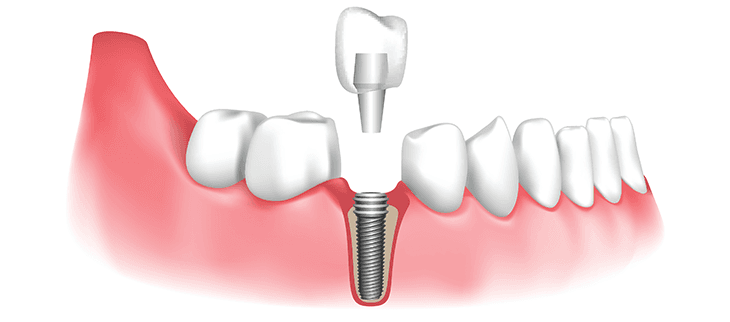
What happens during treatment
- 1
Consultation and X-ray
Dr. Sushma checks your gums, bone and overall health to see if an implant is right for you, and explains the options: implant, bridge or denture.
- 2
Placing the implant
A small titanium post is placed in the jawbone under local anaesthesia.
- 3
Healing
Over the following weeks to months the bone bonds with the implant. A temporary tooth can often be worn meanwhile.
- 4
The new tooth
A custom crown is fixed on the implant, matched to the colour and shape of your teeth.
Several visits spread over a few months, mainly to allow healing. Your exact timeline depends on bone and gum health.
Aftercare
- Soft food and gentle cleaning around the area for the first days
- Brush and floss around the implant like a natural tooth
- Avoid smoking, which slows healing and raises the risk of failure
- Regular check-ups to keep the gum around the implant healthy
Watch Dr. Sushma explain
Should you replace a missing tooth?
What happens when a gap is left, and how implants, bridges and dentures compare.
Common questions
Does getting an implant hurt?
It's done under local anaesthesia. Most people describe some soreness for a few days afterwards, similar to an extraction.
How long do implants last?
With good cleaning and regular check-ups, implants can last many years. The crown on top may need replacing at some point.
Implant, bridge or denture: which is best?
It depends on how many teeth are missing, the bone, the neighbouring teeth and your budget. Dr. Sushma will explain the pros and cons of each for your case.